

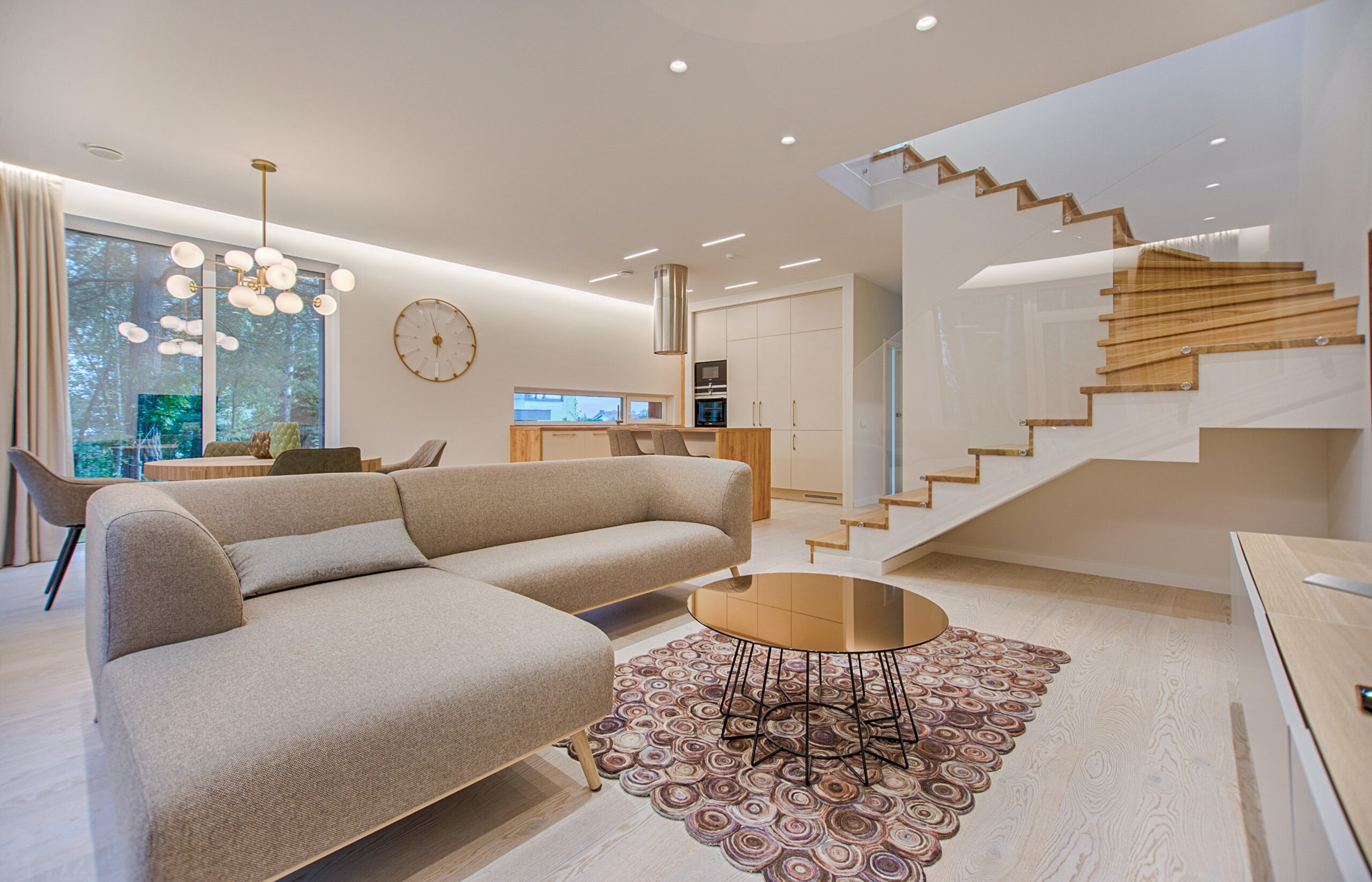
As we become more aware of our environmental impact, incorporating eco-friendly practices into home remodeling has become increasingly important. By opting for sustainable solutions, we can reduce our carbon footprint and create a greener future. In this article, we’ll explore various eco-friendly options for home remodeling that promote sustainability without compromising style or functionality. From energy-efficient appliances to renewable materials and sustainable design principles, let’s discover how you can make your home remodel more environmentally friendly.
Energy-Efficient Appliances:
Start your eco-friendly remodel by considering energy-efficient appliances. Look for appliances with high Energy Star ratings, which indicate lower energy consumption. Opt for energy-efficient refrigerators, dishwashers, washing machines, and HVAC systems. These appliances not only help reduce your carbon footprint but also lower your energy bills in the long run.
Renewable Materials:
When it comes to materials, choosing renewable options is key. Consider using bamboo flooring, which is a sustainable alternative to hardwood, or recycled glass countertops that add style while reducing waste. Reclaimed wood is another eco-friendly option that adds character and warmth to your space. Explore recycled or low-VOC paints to minimize indoor air pollutants.
Water-Saving Fixtures:
Conserving water is essential for sustainable living. Install water-saving fixtures such as low-flow faucets, showerheads, and toilets. Consider rainwater harvesting systems to collect and reuse rainwater for irrigation purposes. Smart irrigation systems can help optimize water usage by adjusting watering schedules based on weather conditions.
Sustainable Design Principles:
Incorporate sustainable design principles into your remodeling project. Implement passive heating and cooling techniques, such as optimizing natural ventilation and insulation, to reduce reliance on artificial cooling and heating systems. Consider the use of green roofing to improve insulation and stormwater management. Explore the benefits of proper daylighting by maximizing natural light to reduce energy usage during the day.
Recycling and Waste Management:
During the remodeling process, focus on recycling and waste management. Separate and recycle construction debris, such as metal, wood, and cardboard. Explore salvage yards for reclaimed materials that can be repurposed. Opt for reusable or compostable packaging materials to minimize waste generation.
Conclusion:
By incorporating eco-friendly practices into your home remodeling project, you can contribute to a greener future and create a sustainable living space. Choose energy-efficient appliances, opt for renewable materials, install water-saving fixtures, implement sustainable design principles, and prioritize recycling and waste management. Let your remodel reflect your commitment to the environment while enhancing the beauty and functionality of your home. Together, we can make a positive impact and create a more sustainable world.
